Not all locksmith jobs are equal. A $79 lockout call is perfectly reasonable. A $79 deadbolt installation is worth scrutinizing more carefully. This guide shows you exactly which services are safe to price-shop and which ones you should pay for quality.
The answer depends on complexity, security stakes, and hardware quality. Here is a plain-language verdict for each major locksmith service category.
A cheap locksmith is generally acceptable for emergency lockouts and standard rekeying of residential locks. You should prioritize quality over price for deadbolt upgrades, master key systems, and any smart home lock integration — these require correct hardware specifications and precise installation to function securely for years.
 Price-Shop OK
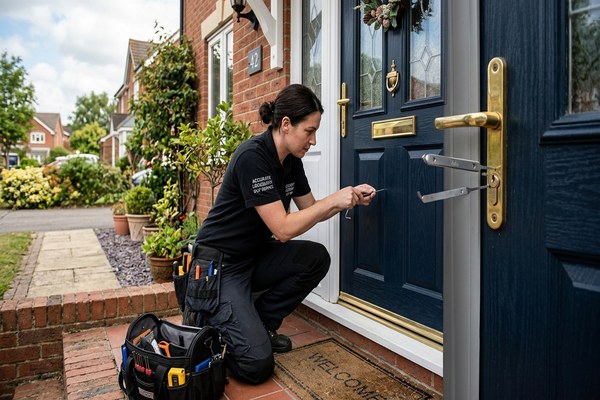
Getting back into your home or car is a commodity service. The technician picks or bypasses your existing lock — no new hardware is installed, no security decisions are made. The only variables are response time and price.
Verdict: Lowest quote wins — look for a licensed, insured locksmith.
 Price-Shop OK
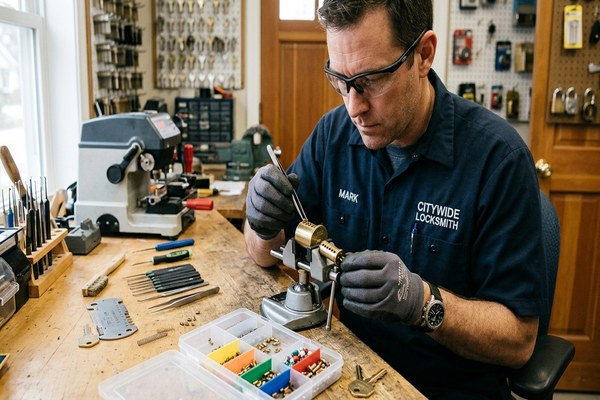
Rekeying changes the internal pin configuration of an existing lock so old keys no longer work. The technique is standardized, the parts cost under $5, and any licensed technician can do it correctly. This is one of the most price-competitive locksmith services.
Verdict: Get 2-3 quotes. Budget: $50-$100 per lock.
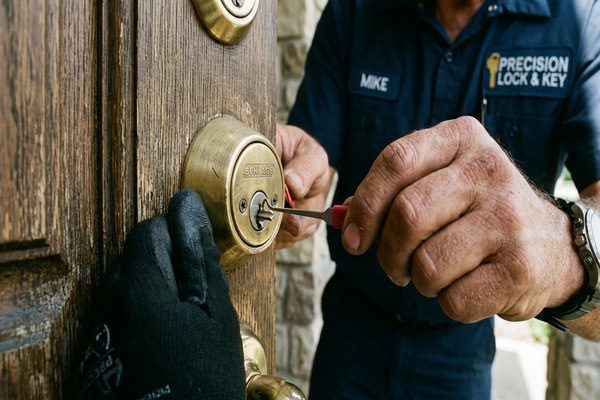 Mid-Range
Extracting a broken key requires both skill and the right tools. An inexperienced cheap locksmith may damage the cylinder trying to remove the fragment — turning a $100 extraction into a $250 cylinder replacement. Choose a locksmith with specific experience here.
Verdict: Verify experience. Budget: $75-$150.
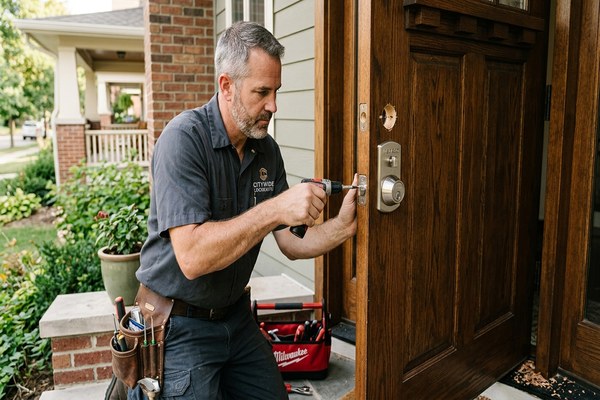 Quality Matters
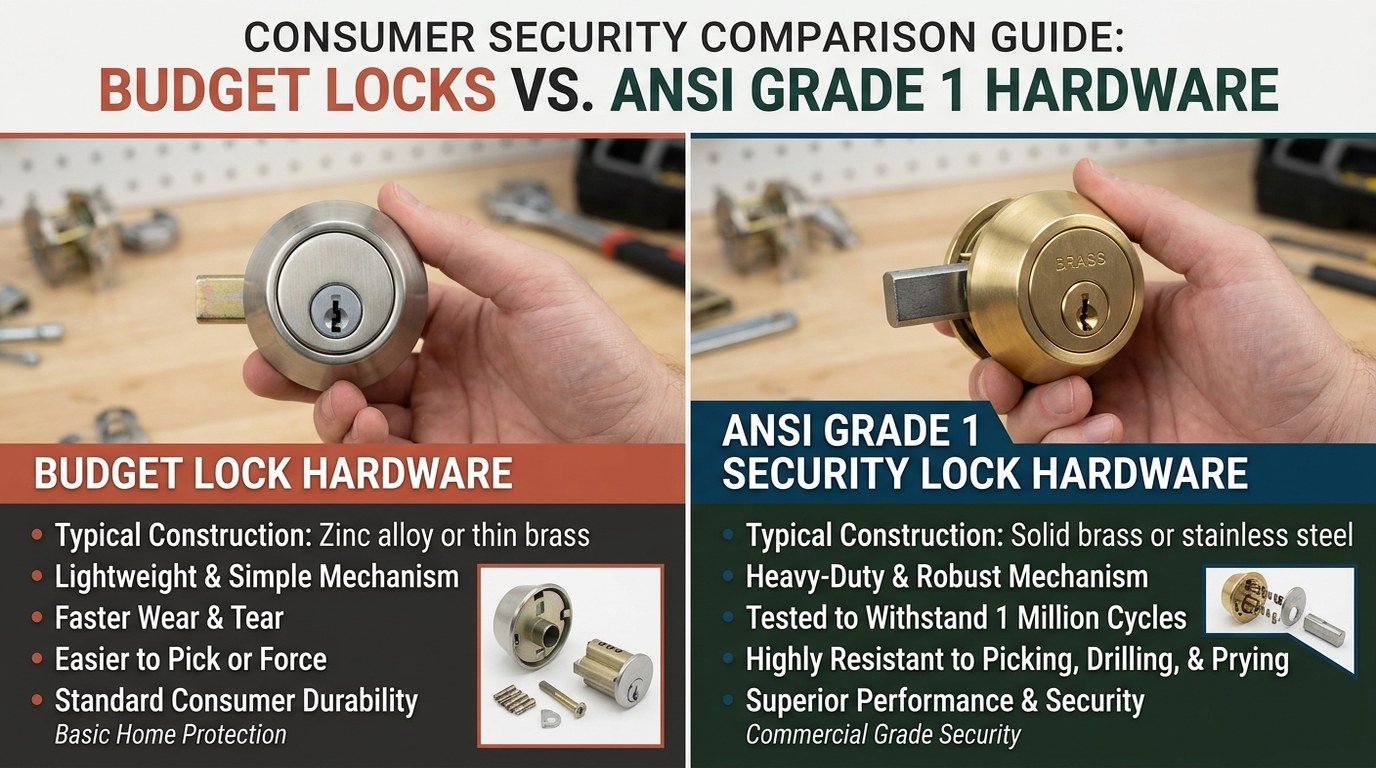
When you pay for a deadbolt upgrade, you are paying for both the hardware and the installation. A cheap locksmith may install ANSI Grade 3 hardware while quoting Grade 1 prices — a lock rated for less than a third of the security cycles. Always ask the brand and model number before agreeing to work.
Verdict: Specify Schlage B60N or equivalent Grade 1 hardware.
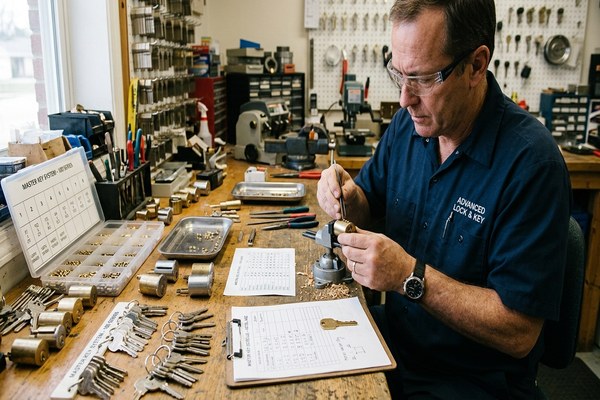 Never Cheap Out
A master key system creates a security hierarchy across multiple locks. Errors in the keying matrix create unintended access — a tenant key that opens other units, or a master that fails to cover new cylinders. This is a precision engineering job. The cheapest quote is almost always the most expensive outcome.
Verdict: Hire a certified locksmith. Budget: $500+.
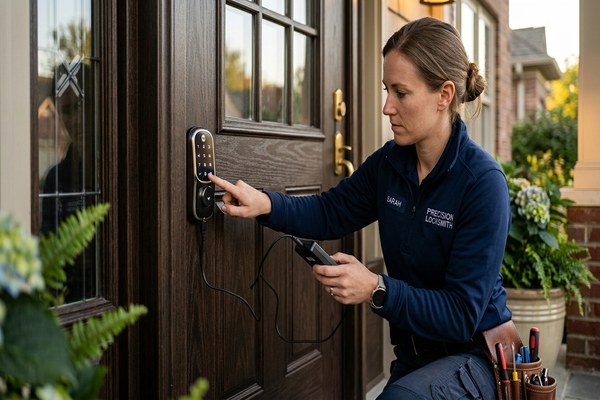 Quality Matters
Smart locks require proper door-frame alignment, correct backset measurement, and firmware setup. A poor installation lets the lock appear connected while the deadbolt does not fully engage. Verify the technician has installed your specific brand before hiring.
Verdict: Check brand-specific experience. Budget: $120-$250 labor.
The American National Standards Institute grades residential and commercial locks on security, durability, and load resistance. Grade 3 locks cost about $15 wholesale. Grade 1 locks cost $45-$120. The difference can mean the gap between keeping intruders out and not.
Commercial-grade residential security. Rated for 250,000 open/close cycles. Withstands 10 strikes from a 75-lb weight at 3.5 inches. Recommended for all exterior doors in residential homes.
Use for: All exterior doorsStandard residential duty. Rated for 150,000 cycles. Suitable for interior doors and lower-risk secondary entrances. Often what cheap locksmiths install on front doors when Grade 1 is quoted.
Use for: Interior / secondary doorsLight residential duty. Rated for 100,000 cycles. Minimal security resistance. Fails the same impact test Grade 1 withstands. Common in bargain-bin locksmith quotes and often the hardware used when a price looks unusually low.
Avoid: Front or exterior doorsBefore a locksmith begins any deadbolt work, ask: "What brand and model lock are you installing, and what ANSI grade is it?" A legitimate locksmith answers immediately. If they deflect or say "a good quality one," that is your signal to get a second opinion. For Grade 1 hardware, ask for Schlage B60N, Kwikset 980, or equivalent by name.
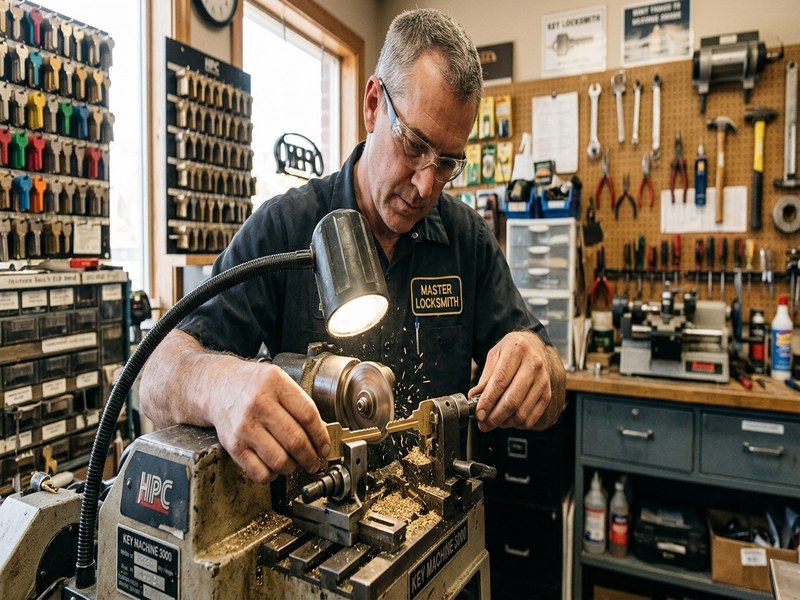
California requires all locksmiths to carry a Bureau of Security and Investigative Services (BSIS) locksmith license. Regardless of how low a quote is, hiring a locksmith who does not hold a valid BSIS license in California means they are not authorized to do that work.
Many other states have their own licensing requirements: Texas, Illinois, New Jersey, North Carolina, Oklahoma, Virginia, Washington, Oregon, Alabama, Connecticut, Louisiana, Maryland, Nebraska, Nevada, and Tennessee all mandate locksmith licensing.
National median prices for 2026 based on aggregated consumer reports and industry data. Prices vary by city, access difficulty, and time of day.
| Service | Normal Range | Suspiciously Cheap | Quality Tier | Price-Shop? |
|---|---|---|---|---|
| Emergency lockout — home | $75 - $150 | Under $40 | N/A (no hardware) | Yes |
| Emergency lockout — car | $65 - $120 | Under $35 | N/A (no hardware) | Yes |
| Standard rekeying (per lock) | $50 - $100 | Under $25 | Low (standard pins) | Yes |
| Broken key extraction | $75 - $150 | Under $45 | Medium (technique) | Partially |
| Deadbolt install — Grade 1 hardware | $150 - $350 | Under $80 | High (hardware + fit) | Check hardware grade |
| Smart lock install (labor only) | $120 - $250 | Under $60 | High (brand knowledge) | Verify brand exp. |
| Master key system (5 locks) | $500 - $1,200 | Under $250 | Critical (keying matrix) | No — hire certified |
| Commercial access control | $800+ | Under $400 | Critical (code + systems) | No — hire certified |
Getting the best value from an affordable locksmith means knowing what questions to ask before you hire. Here are five things to confirm before work begins.
Advertised prices well below the regional average often don't reflect the all-in cost. A reputable affordable locksmith quotes a clear written price upfront, including the service-call fee and any parts. If the advertised price is under $65, confirm the all-in price before authorizing work.
A reputable locksmith will have a consistent business address or service area listed across their website and Google profile. Multi-year reviews with consistent contact information are a strong positive signal.
Legitimate locksmith companies brand their vehicles and require technicians to wear uniforms and carry ID. Professional locksmith companies brand their vehicles and provide uniformed technicians with company ID. Professional locksmiths carry company ID and arrive in marked vehicles.
Most residential lockouts can be resolved by picking or bypassing the lock without drilling. Drilling destroys the lock cylinder and should be a last resort. Ask before they start: "Can this be picked or bypassed first?" A skilled locksmith will always attempt that first on a standard residential lock.
A professional locksmith provides a written estimate (or at minimum a verbal price commitment) before beginning work and accepts card payment. A professional locksmith provides a written estimate before starting and accepts card payment. Confirming both before work begins gives you a clear record of what was agreed.
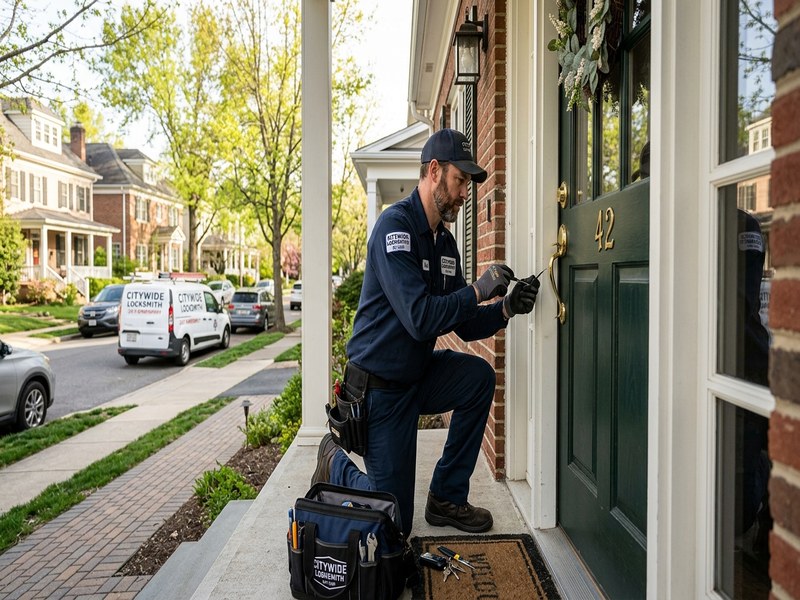
For non-emergency services — scheduled rekeying, new hardware installation, smart lock integration — getting three quotes is the single most effective way to get a fair price without gambling on quality.
The middle quote is often the best value. The lowest quote often involves Grade 3 hardware or limited experience. The highest quote often includes margins that have nothing to do with quality.
View Service Breakdowns
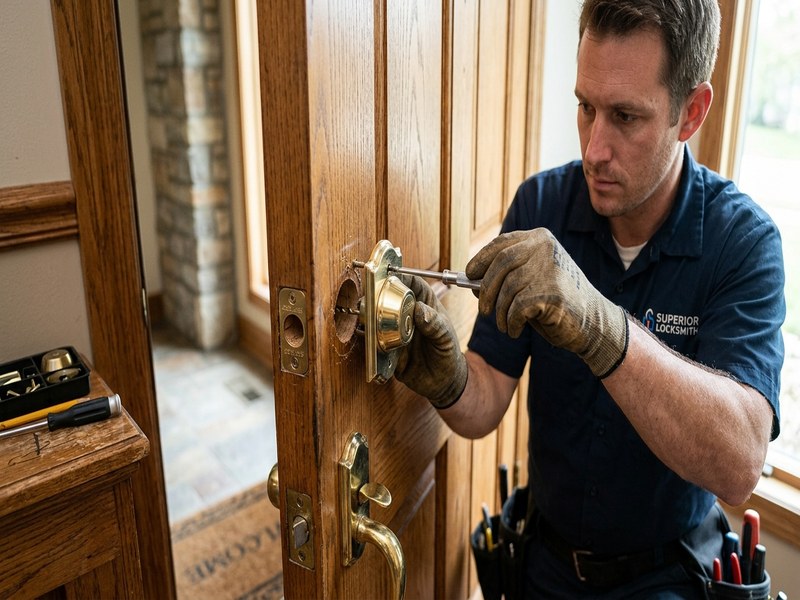
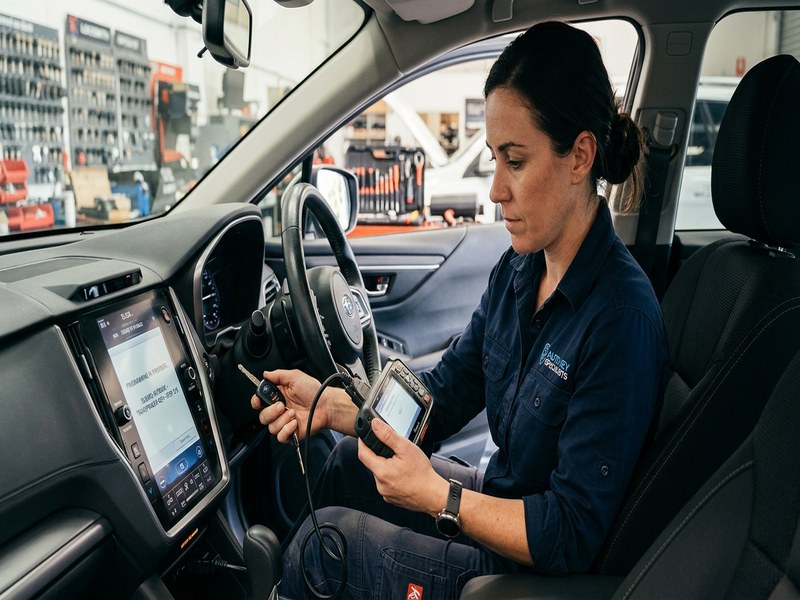
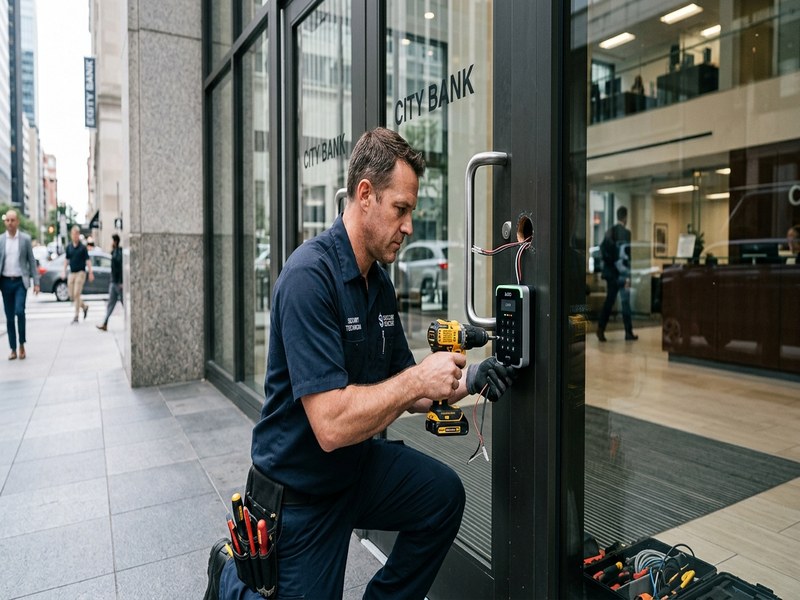
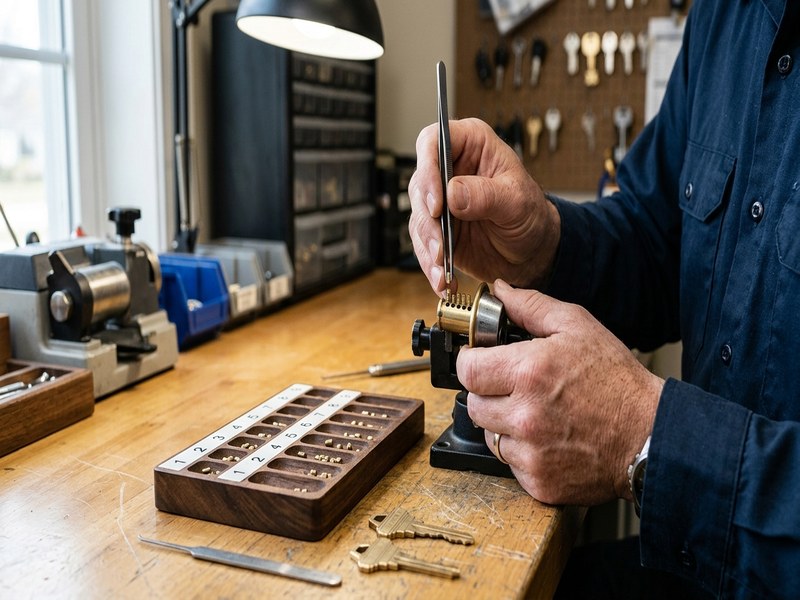
Illustrative experiences based on the most common consumer reports we researched. Names are representative.
"I called the cheapest locksmith I could find for a rekeying job after moving in. It went fine — four locks rekeyed for $180 total, took 40 minutes. For this type of job, price-shopping absolutely works."

"I chose the cheapest locksmith for a deadbolt replacement. Found out later he installed a Grade 3 lock while charging for Grade 1. After I asked my building manager, I had to replace it again with the right hardware. Lesson learned: always ask the grade upfront."

"Locked out at midnight, called whoever was cheapest nearby. $95 to get in, 20 minutes, done. No surprises. For a simple lockout, there is no need to overthink it — just confirm the price before they arrive."

"Set up a master key system for my 6-unit rental property. The cheapest bid was $280 — the price alone should have told me to ask more questions. Tenant keys started opening wrong units after 3 months. Had to hire a certified locksmith to fix the entire system for $900. Never again."

Prices vary significantly by location. Urban markets like New York and San Francisco run 30-50% above national median. Rural markets often run 10-20% below. See our state breakdowns for local context.
It depends on the service. Simple lockouts, standard rekeying, and key duplication are generally safe to price-shop — the technique is standardized and no security hardware decisions are made. For deadbolt upgrades, master key systems, and smart lock integration, you should prioritize verified experience and correct hardware over the lowest price. The risk with cheap locksmiths on these jobs is not the labor — it is the hardware they specify and install.
A standard emergency lockout runs $75-$150 in most US cities. Standard rekeying is $50-$100 per lock. High-security deadbolt installation including Grade 1 hardware is $150-$350 per door. Master key systems start at $500 for a small residential setup and scale up from there. After-hours and emergency service adds $25-$75 to most quotes.
ANSI/BHMA grades rate residential and commercial locks on security and durability. Grade 1 is the strongest, rated for 250,000 open/close cycles and designed to withstand forced entry attempts. Grade 2 is standard residential duty (150,000 cycles). Grade 3 is the lowest residential grade (100,000 cycles) with minimal impact resistance. Many cheap locksmiths install Grade 3 hardware while billing for Grade 1 — always ask for the specific brand and model number before agreeing to a deadbolt installation.
In California, locksmiths are required to hold a BSIS license. BSIS-licensed professionals carry state-verified credentials and are happy to confirm their licensing status. In Texas, licensing is managed through the Texas DPS. Most states with licensing requirements maintain verifiable records for their licensed professionals.
Five things to confirm: (1) a clear all-in price agreed before work begins, (2) a verifiable business name and service area, (3) a uniformed technician with company ID, (4) a pick attempt before any drilling on standard residential locks, (5) card payment accepted with a written estimate.
For non-emergency work — rekeying, deadbolt installation, smart lock setup — yes, getting two to three quotes is worthwhile. For emergency lockouts, you typically take whoever arrives soonest. When comparing quotes, make sure you are comparing the same hardware grade and service scope. A $90 deadbolt installation quote that includes Grade 3 hardware is not a better deal than a $180 quote that includes Grade 1 hardware.
Yes, drilling is a legitimate last resort when a lock cannot be picked — typically for high-security locks, damaged cylinders, or locks with anti-pick pins. However, most standard residential deadbolts can be picked by an experienced locksmith. Drilling should be presented as a last option with your explicit consent, not a first move. A professional locksmith will always attempt picking first on a standard residential lock before considering drilling.
Contact the locksmith company directly with your original quote and the final invoice — most reputable businesses will resolve billing concerns quickly. In licensed states, the state licensing board (BSIS in CA, Texas DPS in TX) is an additional resource. Paying by card also gives you purchase protection options if direct resolution fails.
Tipping isn't required since the service fee covers the job, but $10-$20 is a kind gesture for fast or after-hours help. A five-star review costs nothing and helps a local locksmith just as much.
A straightforward car lockout from a fair-priced locksmith is usually $50-$150. Confirm the all-in cost before dispatch, and skip anyone advertising a price that seems unusually low.
A fair budget price for a standard lockout or rekey is roughly $75-$150 all-in, including the call-out fee. Be cautious of ads promising $15-$29 service calls — those often don't reflect the total all-in cost.
Our guide covers the most common scenarios, but pricing situations vary. Ask us directly and we will point you to the right resource.
Locksmith Cheap is an independent consumer editorial site. We receive no referral fees and have no commercial relationship with any locksmith company.
We aggregate consumer-reported prices from multiple sources and cross-reference with industry associations for national medians.
ANSI/BHMA lock grade standards and state licensing requirements are sourced from official regulatory and standards bodies.
We do not earn referral fees, affiliate commissions, or advertising revenue from locksmith companies. Assessments are fully independent.
Price data and licensing information is reviewed and updated twice yearly. Last update: May 2026.